

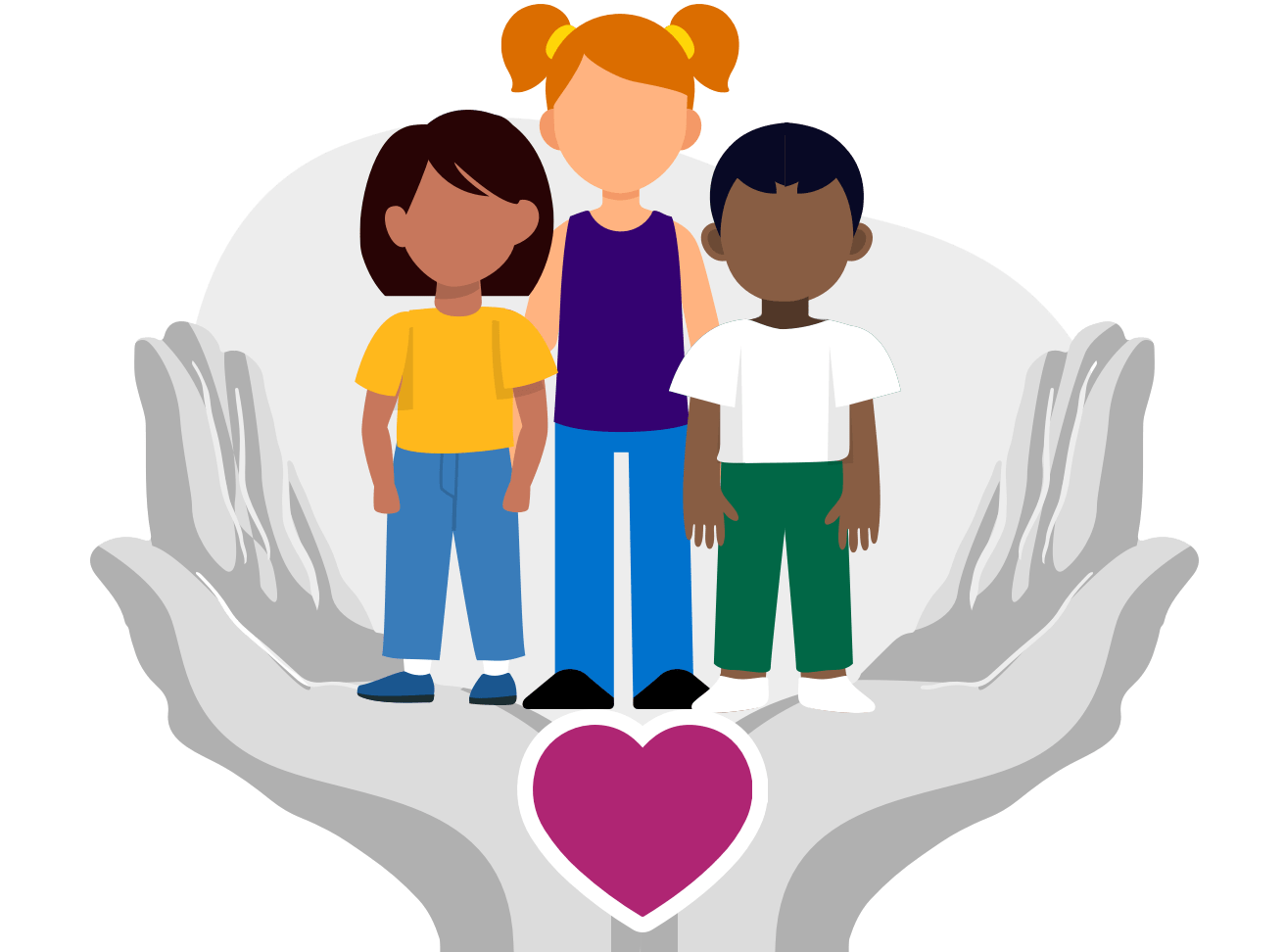
Children are the foundation of any society, embodying hope, potential, and the promise of a brighter tomorrow. However, millions of children around the world face threats that jeopardize their safety, well-being, and development. Child protection is a universal responsibility aimed at safeguarding children from harm, ensuring their rights are upheld, and providing a secure environment where they can thrive. It is a collective effort involving families, communities, governments, and organizations working together to protect the most vulnerable.
The Importance of Child Protection
Child protection is crucial for fostering a safe and supportive environment where children can grow without fear. It goes beyond addressing immediate threats to their safety and focuses on ensuring their overall development. Children who are protected from harm are more likely to lead fulfilling lives, contribute positively to society, and break cycles of poverty and violence. By prioritizing child protection, societies not only safeguard individual lives but also invest in a better future for all.
Challenges Facing Child Protection Today
Children face various risks that threaten their safety and well-being. These include physical and emotional abuse, neglect, trafficking, exploitation, and exposure to violence. Millions of children lack access to basic necessities like education, healthcare, and nutritious food, leaving them vulnerable to exploitation. In the digital age, the rise of online predators, cyberbullying, and exposure to harmful content has added a new dimension to child protection challenges. Addressing these issues requires a comprehensive approach that tackles root causes while providing immediate support.
Legal Frameworks for Child Protection
Strong legal frameworks are essential for ensuring the safety and rights of children. International treaties such as the United Nations Convention on the Rights of the Child (UNCRC) provide a foundation for protecting children globally. National laws and policies must align with these principles, addressing issues such as child labor, trafficking, and abuse. Strict enforcement of these laws, along with public awareness campaigns, ensures that offenders are held accountable and children are protected.
Education as a Tool for Protection
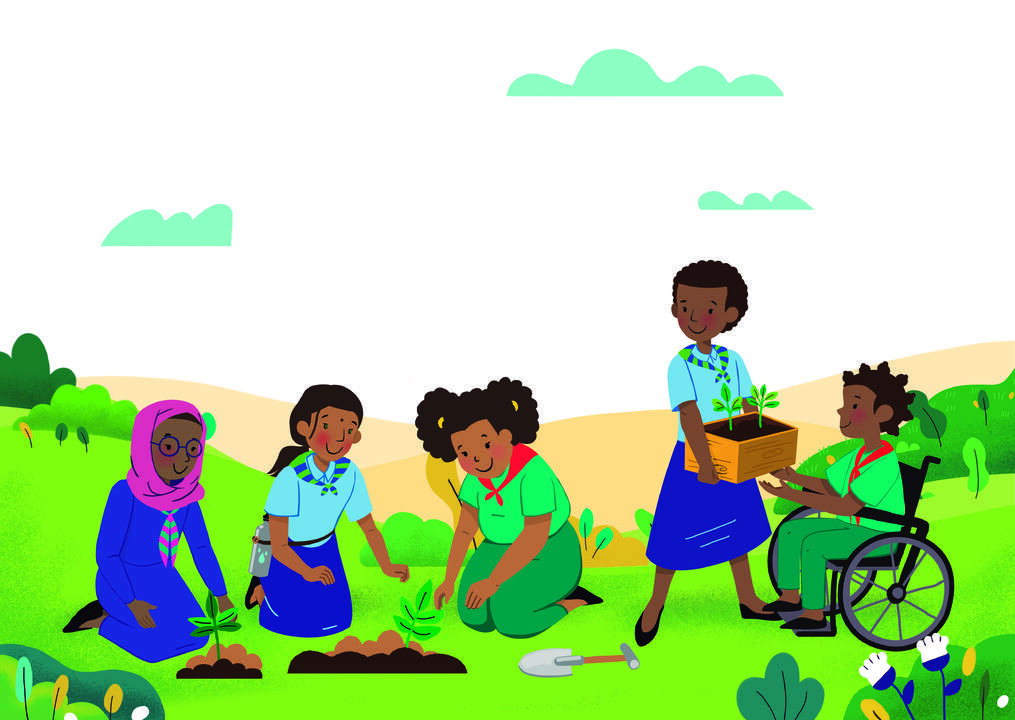
Education is one of the most powerful tools for protecting children. Schools provide a safe space for learning, growth, and social interaction while reducing the risks of exploitation and child labor. Educated children are better equipped to understand their rights, recognize dangers, and seek help when needed. Awareness programs in schools can teach children about personal safety, healthy relationships, and digital literacy, empowering them to protect themselves in various situations.
The Role of Families and Communities
Families and communities are the first line of defense in child protection. Parents, caregivers, and community leaders play a crucial role in creating safe environments where children feel loved, supported, and valued. Educating families about child rights, positive parenting, and the signs of abuse can help prevent harm and ensure timely intervention. Communities must also work together to create a culture of accountability, where the safety and well-being of children are a shared priority.
Addressing Online Risks
In an increasingly digital world, protecting children online has become a critical aspect of child protection. The internet offers immense opportunities for learning and growth, but it also exposes children to risks such as cyberbullying, exploitation, and exposure to inappropriate content. Parents, educators, and governments must work together to promote safe internet practices. This includes teaching children about online privacy, monitoring their digital activities, and implementing robust cybersecurity measures to safeguard young users.
Support for Vulnerable Children
Children from marginalized communities, those living in poverty, or those affected by conflict and displacement are particularly vulnerable to harm. Targeted interventions such as access to education, healthcare, and social services are essential for protecting these children. Programs that provide counseling, legal aid, and rehabilitation for victims of abuse or exploitation help restore their dignity and give them a chance to rebuild their lives.
Creating a Safe Future for Children
Child protection is not just about addressing immediate risks—it is about creating an environment where every child can grow up with dignity, security, and hope. This involves investing in policies and programs that prioritize children’s needs, promoting equality, and addressing systemic issues that perpetuate harm. It also requires a commitment to listening to children’s voices and involving them in decisions that affect their lives.
The Power of Collective Action
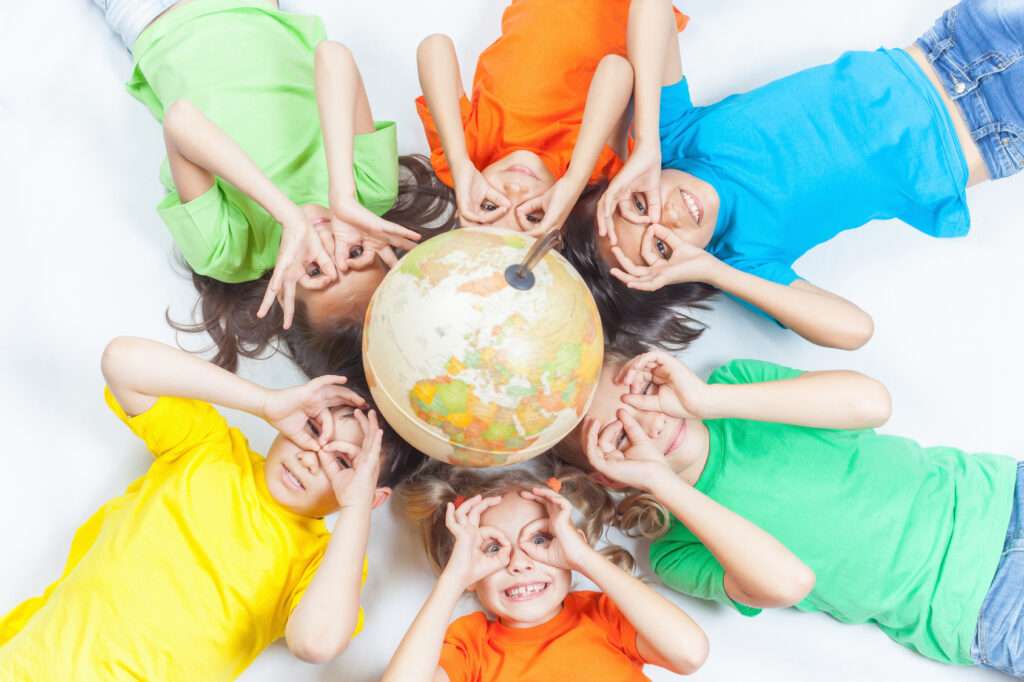
Protecting children is a shared responsibility that demands collaboration across all sectors of society. Governments must implement and enforce strong child protection laws, while organizations and NGOs must advocate for children’s rights and provide essential services. Families, educators, and community leaders must work together to create nurturing environments. By combining efforts, we can ensure that every child has the opportunity to grow up safe, healthy, and empowered.
Conclusion
Child protection is a fundamental pillar of a just and progressive society. Every child has the right to live free from harm, to be nurtured and supported, and to pursue their dreams in a safe environment. By addressing the challenges of abuse, neglect, and exploitation, we not only safeguard individual lives but also build a brighter future for all. Protecting children is more than a moral obligation—it is a testament to our commitment to humanity and the values we hold dear.